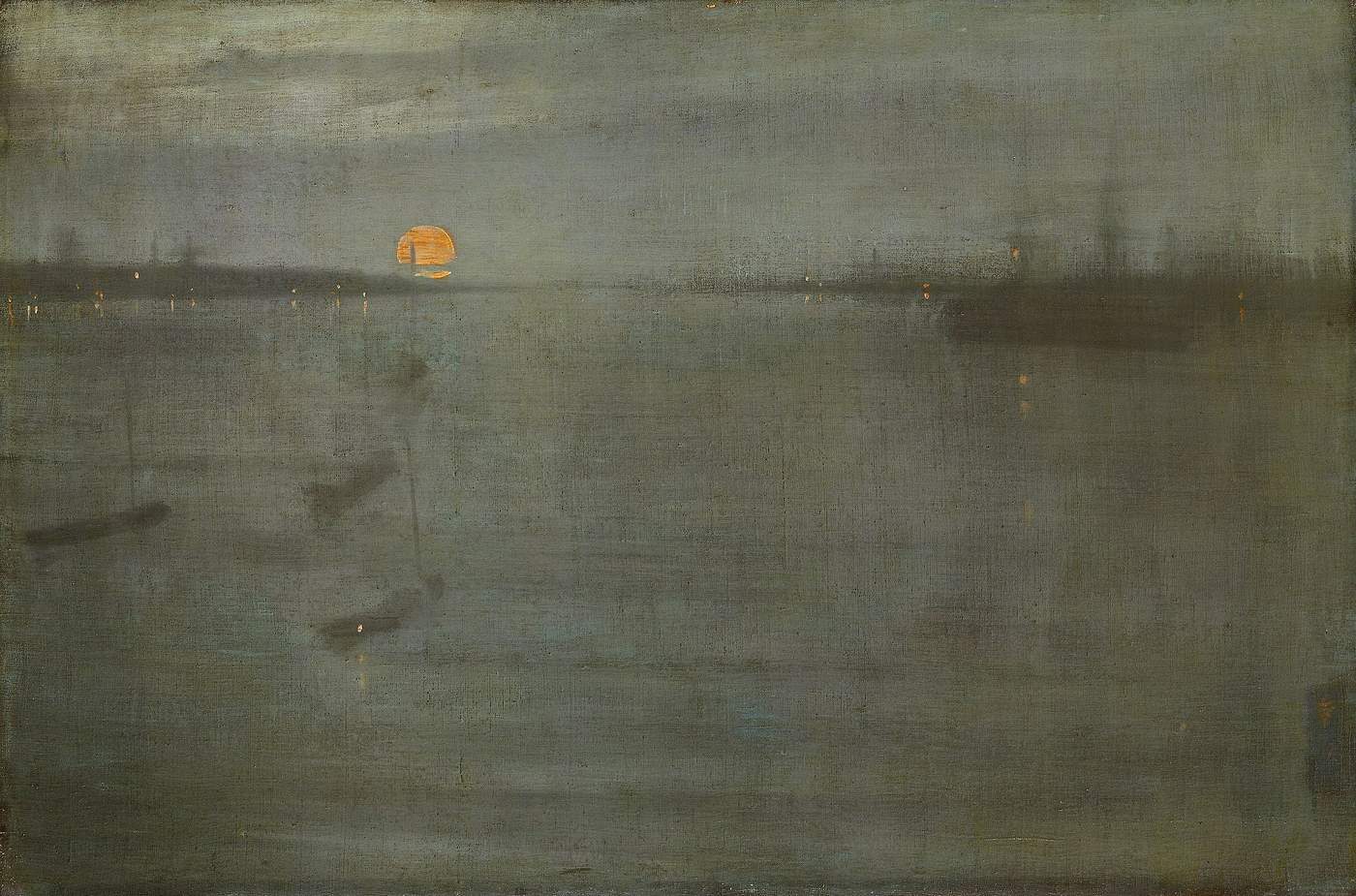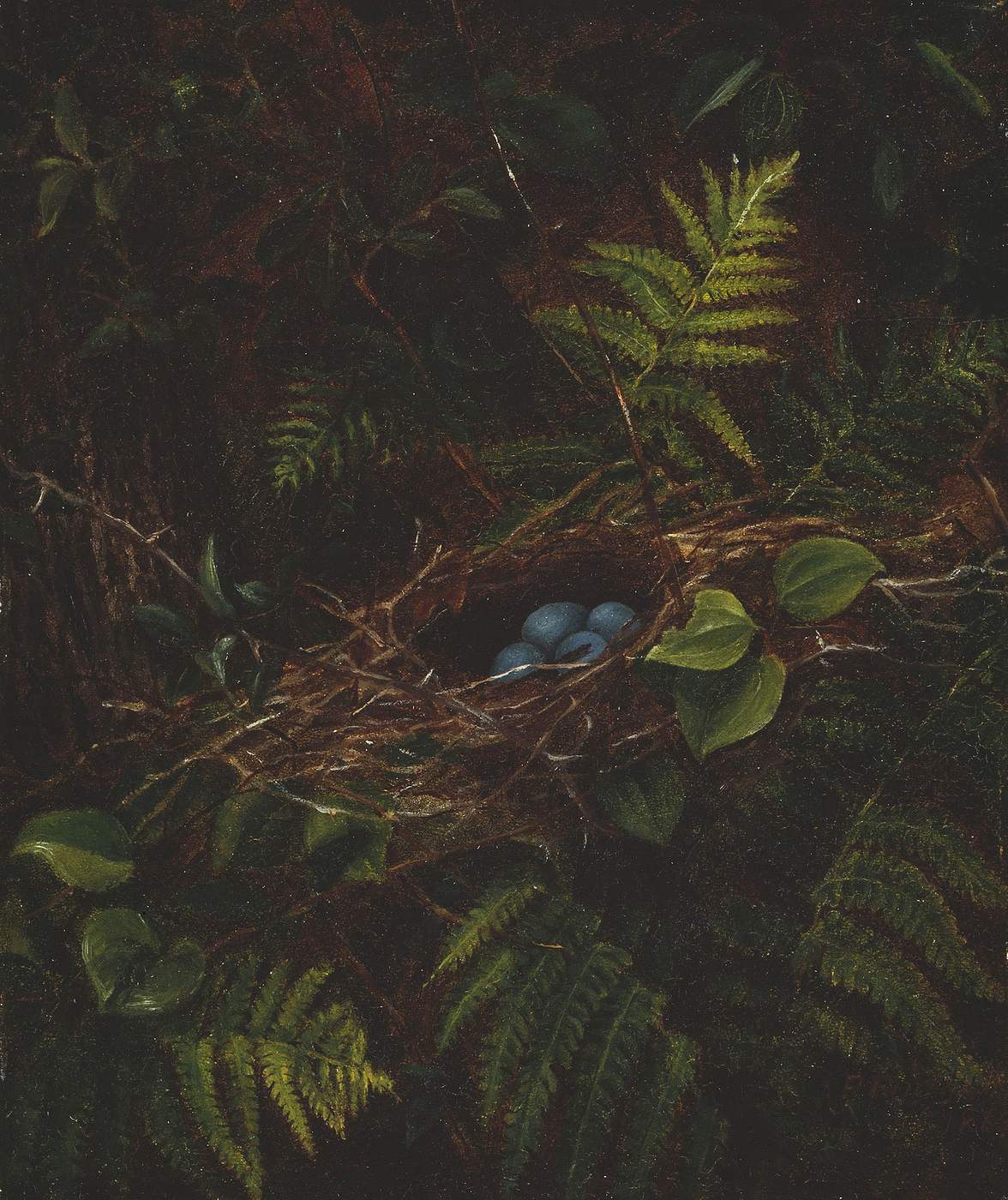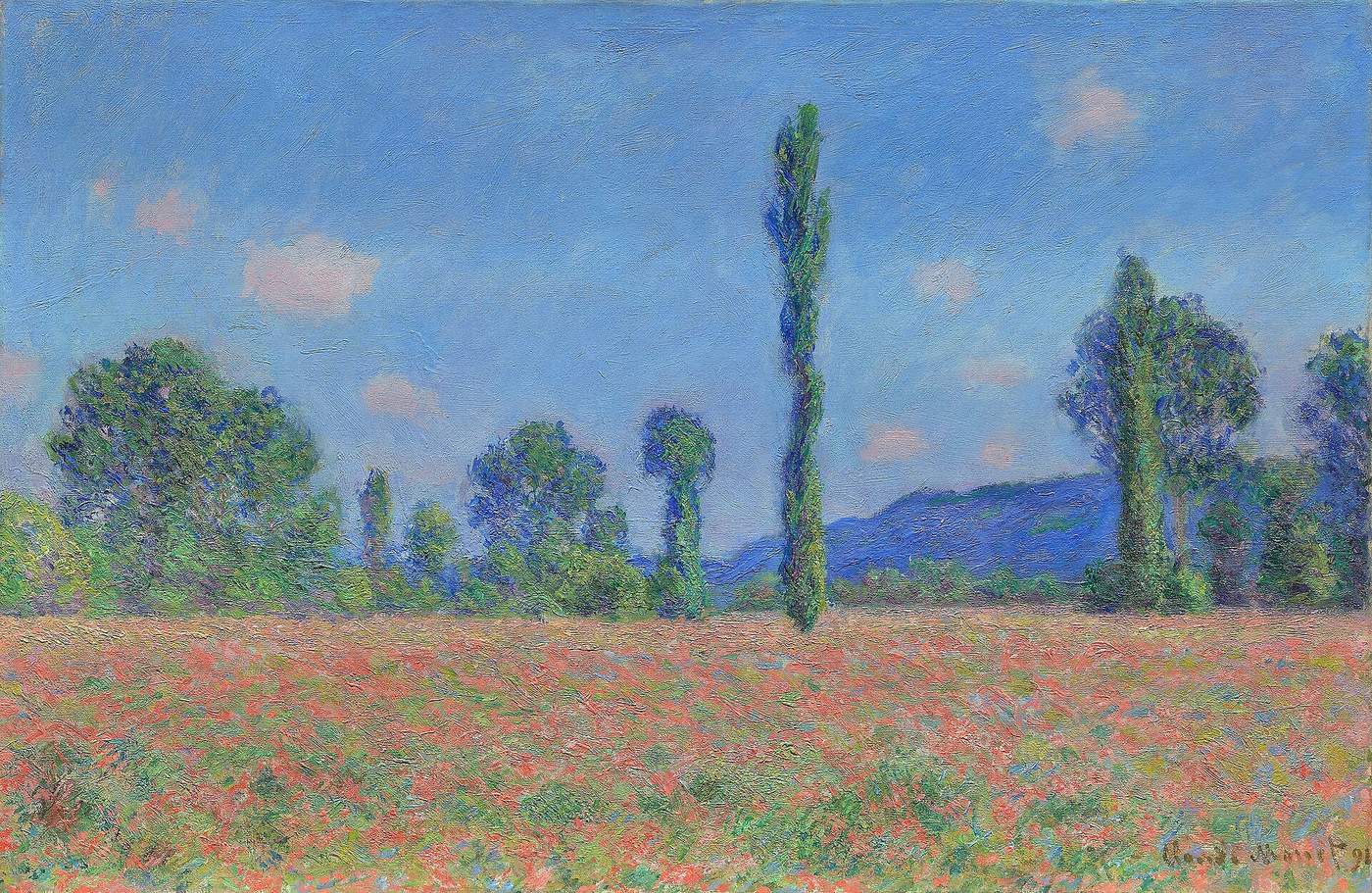
In brief: The great painters were not chiefly virtuosos of the hand — they were virtuosos of attention. Cézanne looked at one mountain for decades, Monet chased a single hour’s light, O’Keeffe insisted that really seeing a flower takes time. Presence is the discipline underneath all of it, and you can borrow it: spend a minute looking closely at one artwork before you write, and the looking settles the mind the writing then works with.
We tend to describe great art in the language of skill — the steady hand, the perfect proportion, the technical command. But spend time with the way artists actually talked about their own work and a different word keeps surfacing: attention. Before a painter can render a thing, they have to see it, and seeing — really seeing, past the label your mind slaps on the world — turns out to be the hard part. Art history, read this way, is a several-century record of people training the one faculty modern life erodes fastest: the ability to be present with what is in front of you.
That record has something practical to offer anyone trying to start their morning with a clearer head. Here is what the painters knew about presence, and how to use it.
Why did Monet paint the same haystack thirty times?
Between 1890 and 1891 Claude Monet painted the haystacks in the field near his home in Giverny again and again — at dawn, at noon, in snow, in the low amber light of a winter afternoon. He did the same with poplars, and later with the façade of Rouen Cathedral, standing before it through the seasons. To a casual eye it looks like repetition. It is the opposite.
Monet returned to the same subject precisely because his subject was never the haystack. It was the light on the haystack in this moment, which would never come again. To catch it he had to override the most stubborn habit of the mind: substituting what we know for what we see. You know what a haystack looks like, so you stop looking at one. Monet refused the shortcut. Each canvas is a record of a single instant attended to with total presence — and the series only exists because he understood that the present is not one thing but an endless supply of unrepeatable moments.
What was Cézanne looking for on that mountain?
Paul Cézanne painted Mont Sainte-Victoire, the ridge outside Aix-en-Provence, more than sixty times over the last decades of his life. He would sit before it for hours, laying down a stroke only after long silences of looking. He described his aim not as copying the mountain but as realising his sensation of it — the raw, pre-verbal experience of the thing before the mind tidies it into a concept.
That is a remarkably precise description of what mindfulness teachers call bare attention: meeting an experience as it actually arrives, before judgement and story rush in to explain it away. Cézanne spent a lifetime on it and still found it inexhaustibly difficult, which is oddly reassuring. Presence is not a switch you flip. It is a practice you return to, the way he returned to the mountain.
The thread so far: the painters we remember were not escaping the present into imagination. They were forcing themselves deeper into it — looking until the familiar became strange and vivid again.
What did Georgia O'Keeffe mean about taking time to see?
Georgia O’Keeffe painted her flowers vast — a single bloom filling an entire canvas — because she noticed that no one actually looked at them. A flower is small, we are busy, we glance and move on. By making one enormous she left the viewer no choice but to slow down and see what was always there. As she put it, to see takes time, like to have a friend takes time.
It is a quietly radical claim. Seeing is not automatic. The eyes take in light constantly, but seeing — attending, noticing, letting a thing register — is a gift of time, and time is exactly what a distracted morning refuses to give. O’Keeffe’s huge flowers are an argument you can hold in your hands: presence is available to anyone willing to stay a little longer than feels necessary.
Does this only work for people who know about art?
No — and this is the part that matters most. The benefit of looking at a painting comes from the looking, not from the knowing. You do not need to place the artist, date the canvas, or name the movement. The critic John Berger spent a career arguing that direct looking, unmediated by expertise, is the real event; the wall label is optional.
Museums have quietly confirmed it. The practice of slow looking — giving a single work several unhurried minutes instead of the eight-second average most visitors manage — consistently leaves people calmer and more focused, whether or not they can tell a Monet from a Manet. The artwork is simply a well-designed object for attention to rest on. It rewards you for staying, which is exactly what a scattered mind needs practice doing.
How do you borrow an artist's attention each morning?
You do not need a gallery or a spare afternoon. The mechanism is small and portable:
- Start with one image, not a feed. Look at a single artwork before you look at your notifications. One object, chosen for you, removes the fatigue of choosing.
- Look before you judge. Skip “do I like it?” Ask instead: what is actually here? Name three things you did not see at first glance.
- Give it sixty unhurried seconds. Longer than feels needed. The shift O’Keeffe described happens on the far side of the moment you would normally look away.
- Let the looking flow into writing. A minute of settled attention makes the sentence that follows more honest. The painting is the warm-up; the journal is the work.
This is the small idea grATTitude is built around. Each morning opens with a different masterpiece from art history — a Monet field, a Cézanne ridge, a quiet interior — before you write a word. It is not decoration. It is a deliberate minute of presence, borrowed from people who spent their lives learning how to be present, placed exactly where a scattered morning needs it most: before the day’s demands begin.
The science of why the writing itself helps is a separate story — we cover it in The Science Behind Journaling and The Science of Gratitude Journaling. But the painters got there first, without the fMRI scanners. They knew that attention is the whole game, that presence has to be practised, and that the fastest way back to the present is to look, slowly, at one beautiful thing.
grATTitude pairs a different masterpiece from art history with your practice every morning — a minute of settled attention, then three gratitudes and an intention. Try it free →