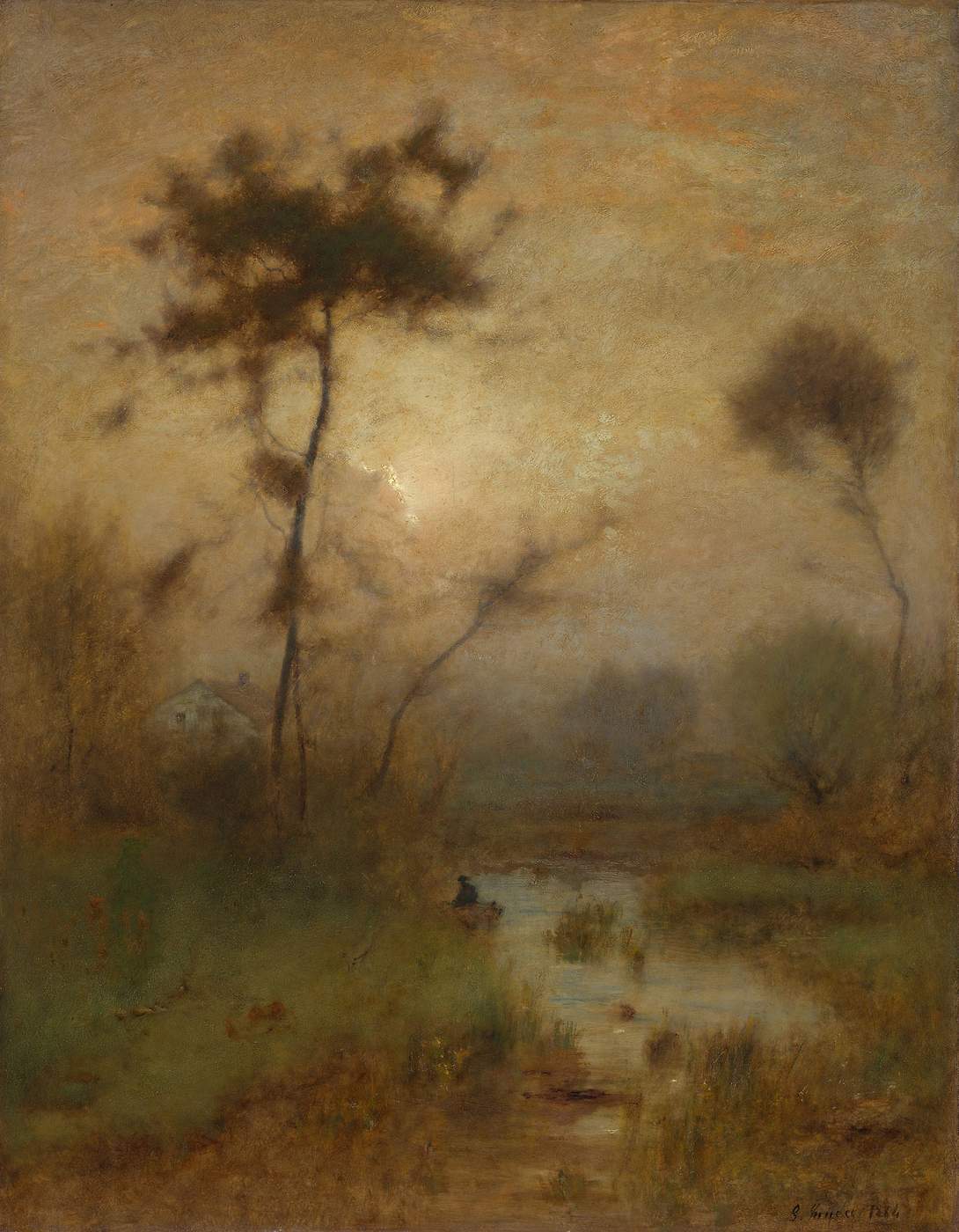
In brief: Morning pages — Julia Cameron’s practice of three longhand pages written first thing each day — can be done digitally. What the research suggests matters is the daily reflective ritual before the day begins, not the paper. A structured online practice like grATTitude keeps the ritual and adds sync, privacy, and reviewability.
What are morning pages?
Morning pages come from Julia Cameron’s The Artist’s Way (1992): three pages of longhand, stream-of-consciousness writing done first thing in the morning. No editing, no audience, no wrong way to do it. Cameron calls them “spiritual windshield wipers” — the point is not to produce writing but to clear the mental fog that accumulates overnight so the rest of the day starts unclouded.
Millions of creatives swear by the practice. And its mechanism is well supported: reflective writing offloads looping thoughts from working memory, and naming what you feel measurably dampens the brain’s stress response — we cover the research in the science behind journaling.
Can you do morning pages digitally?
Purists say longhand only. Cameron herself prefers paper. But the honest reading of the evidence is that the medium is not the mechanism — the daily ritual of private, unedited reflection is. Digital adds things paper cannot: your journal is on every device, it can’t be left on a train, past entries are searchable, and no one can flip it open.
What digital can lose is the ritual quality — if your morning pages live next to your inbox, the inbox usually wins. That’s a design problem, not a medium problem: the practice needs a dedicated, calm place that isn’t a notes app.
How is grATTitude different from classic morning pages?
grATTitude is a structured take on the same morning ritual. Instead of three blank pages, each morning asks for three specific gratitudes, one intention for the day, and something you’re looking forward to — then an evening review closes the loop after a chosen hour. Every session opens with a different masterpiece from art history, a deliberate moment of attention before writing — something close in spirit to Cameron’s “artist dates.”
Structure is a feature, not a compromise: the blank page is where most journaling habits die, and prompts remove the “what do I write?” decision entirely. If you love pure free-writing, keep it — the two practices combine well.
| Notebook morning pages | grATTitude | |
|---|---|---|
| Format | 3 longhand pages, free-form | 3 gratitudes + intention + evening review |
| Time | 20–40 minutes | 3–5 minutes |
| Blank-page problem | Yes — by design | No — prompts every day |
| Privacy | Physical notebook | Private account, cloud sync optional |
| Reviewing past entries | Flipping pages | Searchable library + insights |
| Cost | A notebook | 7-day free trial, then $4/month |
How to start morning pages online
- Pick a fixed time. Attach the practice to an existing morning anchor — right after your first coffee is the classic choice.
- Open your journal before your feeds. The practice only works if it meets your mind before the day's inputs do. Bookmark the journal page or add it to your home screen.
- Write without editing. Free-write, or use a structure: three gratitudes, one intention, one thing you're looking forward to. Three to five minutes is enough.
- Close it and start the day. Don't re-read immediately. Reviewing happens in the evening, or weeks later — that's where the perspective lives.
Frequently asked questions
Do morning pages have to be three pages?
No. Three pages is Julia Cameron's original prescription from The Artist's Way, but the underlying mechanism — a private, unedited brain-dump before the day begins — doesn't depend on length. Many people get the same clearing effect from a structured five-minute practice.
Is typing morning pages as good as handwriting?
Handwriting slows you down, which some people find meditative. But the documented benefits of reflective writing — clearing working memory, naming emotions, creating psychological distance — come from translating thoughts into language, which typing does equally well. The best medium is the one you'll actually use daily.
What is the best time to do morning pages?
Immediately after waking, before email, news, or social feeds. The practice works by meeting your mind before the day's inputs arrive. Attach it to an existing anchor like your first coffee.
Is grATTitude free to try?
Yes — 7 days free with no credit card. After the trial, grATTitude Pro is $4/month or $40/year.
Try the practice itself: three gratitudes, one intention, and a masterpiece from art history every morning. Start your 7-day free trial — no credit card →